
Navigating Conversations: How to Support Autistic Individuals Who Share Their Experience

As we acknowledge Autism Awareness Month this April, we are committed to providing practical support for individuals who are interested in supporting our autistic communities who share their experiences. We have brought you this information as we recognise the importance of education, language and understanding if we are to make real changes towards a more inclusive society.
We Aim To Build Communities That
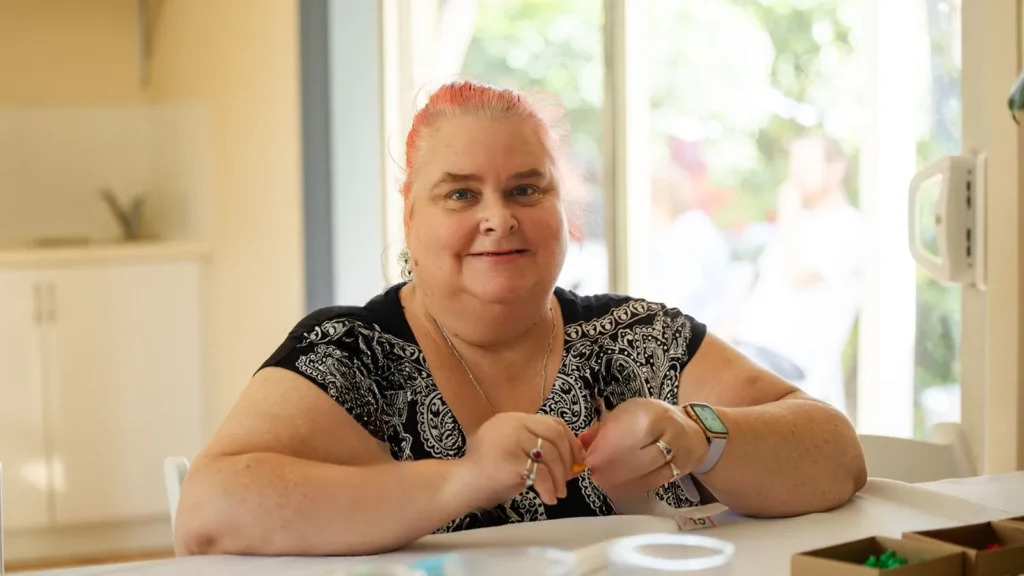
It is a privilege to hear a person’s story! Acknowledge their disclosure and thank them for sharing their experience with you. Let’s create relationships that are built on trust and understanding!
Express interest and curiosity in how you can best support them and accommodate their needs.
Avoid making assumptions about their experiences or abilities based on stereotypes. Instead, ask them how they experience the world and what their needs are.
Validate their identity as an autistic person and respect their self-identification. Avoid using language that suggests their neurodivergence is a flaw or defect!
Express interest in learning more about autism and their experiences. This shows that you are willing to educate yourself and be a supportive ally.
Respect their boundaries and preferences. It may not make sense to you, but it’s a need for them!
Work together to create an inclusive environment that accommodates their needs and respects their identity. This may include making adjustments to communication styles or physical environments.
Language Supports

- “What can I do to make you feel more comfortable?”
- “What does your system need in this moment?”
- “What does support look like for you right now?”
- “Do you want to step outside for a break?”
- “Which environment will best suit you inside or outside?”
- “Is there something I can do to make you feel more comfortable?”
- “You are welcome to use whatever strategies you need to feel supported here.”
- “No pressure, you do what you need”
- ”You do you.”
- “This is a safe space to be yourself.”
- “No judgment here, I like seeing this part of you.”
- “I’ve noticed you are interested in x. Tell me more about this.”
- “What things are you passionate about?”
- “Keep me updated with this, I’d like to hear more about x.”


